

How to recognise silver hallmarks?
When diving into the world of silver jewelry, it is essential to master the art of deciphering hallmarks. As with the hallmarks on gold-plated jewelry that we explored earlier, silver jewelry has its own stamp of authenticity.
These hallmarks, true signatures of quality and origin, play a crucial role in the identification and confidence you can place in your silver pieces.
The Distinctive Signs of Genuine Silver
Silver hallmarks are more than just an engraving on your jewelry; they tell the story of each piece.
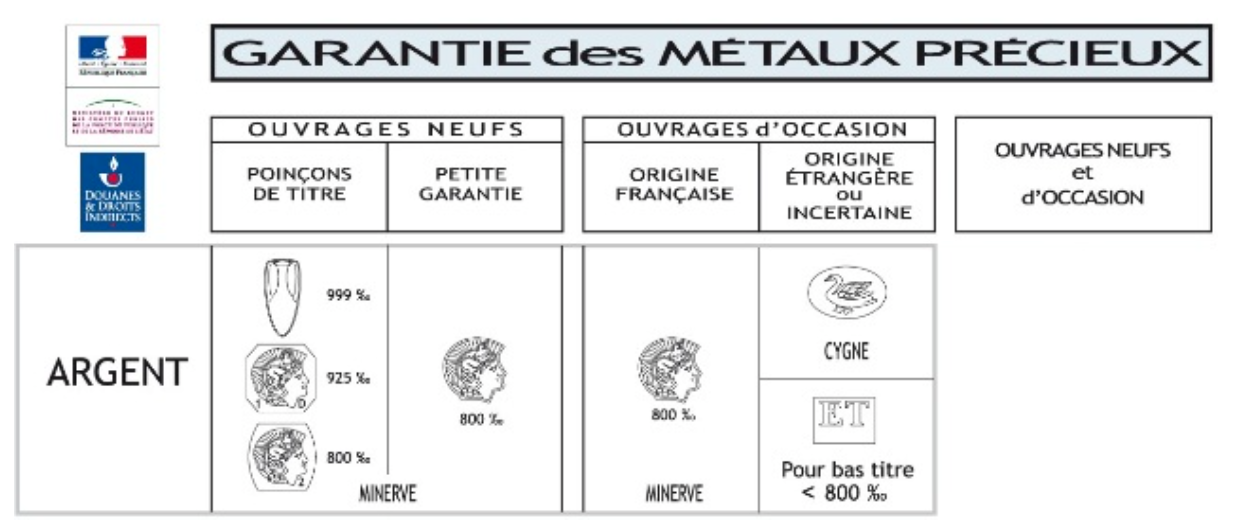
Among the most common is the purity hallmark, which testifies to the silver composition of the jewelry. This hallmark is generally in the form of a number, indicating the percentage of pure silver in the metal. For example, the "925" hallmark means that the jewel is made up of 92.5% pure silver.
At Nerina Bijoux, all our silver jewelry is certified with a 925 silver hallmark to offer you authentic, high-quality jewelry.

A piece of real silver can tarnish (unless it has been rhodium-plated, a process that prevents the metal from blackening), which is not the case with a piece of jewelry covered in silver plating. The magnet test is often used by jewellers. If the metal is attracted to the magnet, it is not genuine silver. Rhodium-plated jewelry is more expensive than silver or gold because it is one of the most expensive materials in the world.
At Nerina Bijoux, we strive for excellence, which is why all our silver jewelry is made from 925 silver coated with a thin layer of rhodium to prevent darkening and retain all its original shine and sparkle. Our rhodium-plated 925 silver jewelry retains all its shine and brilliance under normal use.
925 silver hallmark: Decoding the Manufacturer's Marks
Another important type of hallmark is the maker's mark. This is a distinctive mark that identifies the designer or company behind the jewelry. Often represented by initials or a characteristic symbol, this hallmark is a guarantee of the quality and craftsmanship of the jewelry.
Recognising these marks will give you a better idea of the origin and history of your silver pieces.

The Art of Hallmark Recognition
Recognising silver hallmarks requires a certain knowledge of symbols and industry standards. Hallmarks can vary from one region to another and even from one piece of jewelry to another.
In France, the Direction Générale de la Concurrence, de la Consommation et de la Répression des Fraudes (DGCCRF) ensures that the silver hallmark is respected by jewellers and manufacturers. They must ensure that their products meet the standards before placing them on the market.
Since 20 November 2014, jewelry weighing less than 3g for gold and less than 30g for silver has been exempt from the title hallmark. However, manufacturers or importers must still affix their master hallmark to incur liability. Items exempt from the hallmark remain under the control of the Guarantee department to ensure the safety and satisfaction of buyers.
For precise identification, we recommend that you consult the list of silver hallmarks below:
The Importance of Checking Hallmarks
Checking silver hallmarks is a crucial step when buying silver jewelry. Hallmarks offer you a guarantee of authenticity and quality. They are a way of ensuring that the jewellry you choose corresponds to what you expect in terms of purity and origin.
Hallmarks are also a mark of confidence for you, the discerning consumer, who wants to invest in authentic, long-lasting silver pieces.
Are you looking for 925 rhodium-plated silver jewellery?
Discover our range of 925 silver jewelry for women, all of which are certified with a legal hallmark:
Understanding and recognising silver hallmarks is an invaluable skill for any jewelry enthusiast. The next time you choose a piece of silver jewelry, take the time to decipher these subtle signs that allow you to appreciate the beauty and quality of each piece with a discerning eye.